
Why Utility Bills Hide the Biggest Energy Savings
Utility bills show what you used, not why costs rose. Learn how tariffs, weather, occupancy, and schedules reveal better energy-saving opportunities.
Your Total Usage Is Only the Starting Point
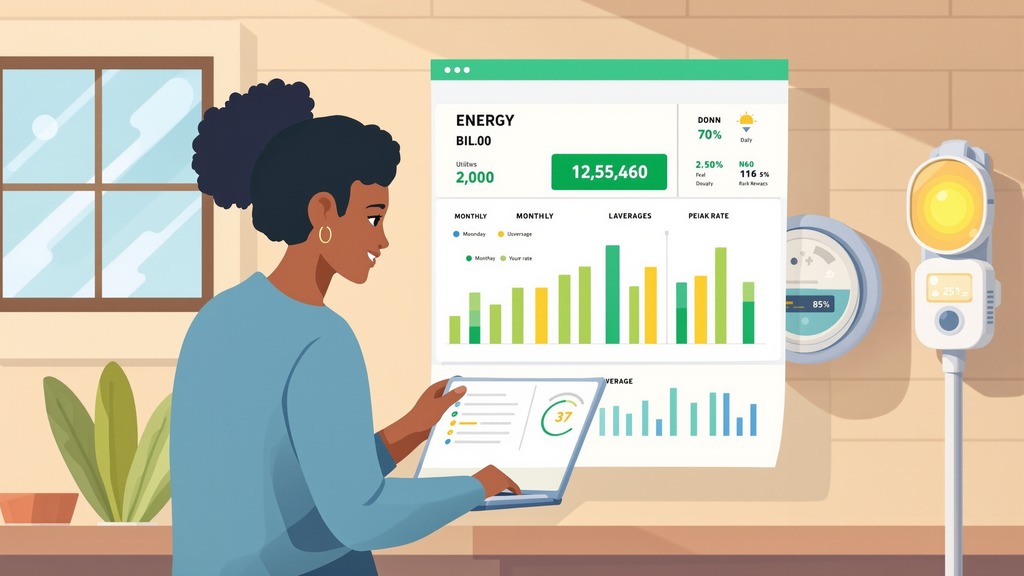
Most utility bills make energy data look simple: a billing period, a total number of kilowatt-hours, and an amount due. But that summary can hide the behaviors and conditions driving the cost. A household may use slightly more electricity during a cold month, yet pay substantially more because heating demand coincided with higher rates. A small business may see an unusually large bill because its billing period was longer, not because equipment suddenly became inefficient.
The first step toward energy efficiency is separating consumption from context. Compare bills using the same number of days, account for seasonal weather, and examine both usage and price per unit. Look for changes in the daily average rather than relying only on the monthly total. If smart metering is available, hourly or half-hourly readings can reveal whether demand occurs overnight, during expensive peak periods, or when a property is empty. This more detailed view turns a confusing utility bill into useful energy data and creates a realistic baseline for bill reduction.
Tariffs, Weather, and Schedules Reveal the Real Drivers
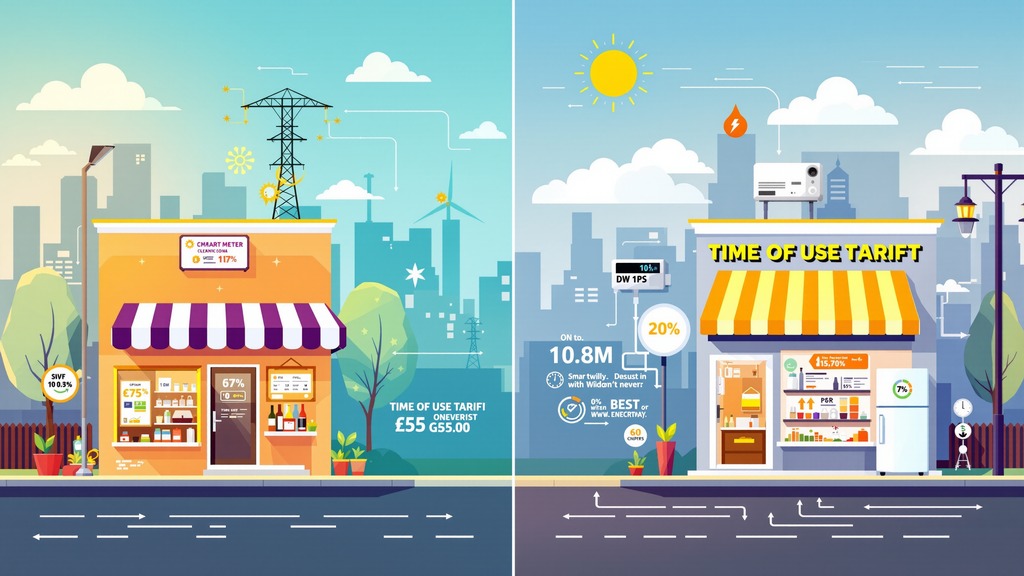
Energy costs depend on more than how much electricity or gas a property consumes. Tariffs may charge different rates by time of day, season, demand level, or usage tier. Two businesses with identical consumption can therefore receive very different bills if one runs ovens, refrigeration, pumps, or machinery during peak pricing. Fixed charges and taxes can also make a modest reduction in usage appear smaller on the final statement, even when the underlying improvement is meaningful.
Weather and occupancy add another layer. A heatwave can explain higher cooling demand, while school holidays, remote work, or a change in opening hours can shift consumption patterns. Appliance schedules matter too: refrigeration, water heaters, ventilation, and standby equipment may continue operating when no one is present. Effective energy efficiency analysis connects these signals instead of treating every increase as waste. Smart metering, thermostat records, local weather data, and operating schedules can identify whether the best action is changing a schedule, adjusting a setting, repairing equipment, or pursuing a more expensive upgrade.
Turn Hidden Patterns Into a Prioritized Action Plan
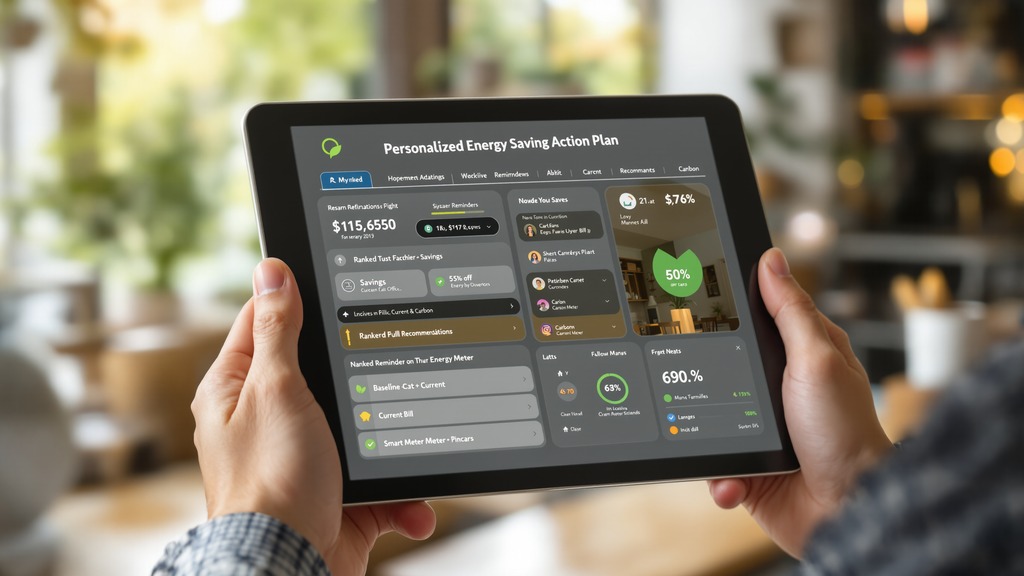
Finding an unusual pattern is valuable only when it leads to a practical decision. Start with actions that combine strong savings potential with low cost and effort: shifting flexible tasks away from peak periods, changing thermostat schedules, reducing overnight standby use, or checking whether doors, seals, and controls are working properly. Then estimate the likely monthly savings, payback period, environmental benefit, and confidence in the result. This prevents generic advice from overwhelming people with upgrades that do not fit their property or budget.
Progress monitoring is what makes bill reduction sustainable. Record the starting baseline, apply one or two changes, and compare later bills after adjusting for weather and billing days. Alerts and reminders can help a café review refrigeration settings, or prompt a household to investigate an unexpected overnight load. Services such as EcoNest AI are designed to connect analysis, recommendations, and follow-up in one workflow. By combining utility accounts, smart metering, tariffs, weather, and optional device data, energy efficiency becomes a measurable process rather than a one-time guess.